Whether you're vegetarian, vegan or simply want to eat more plants, plant-based proteins are a nutritious and affordable way to support your health. They provide protein along with fiber, vitamins and minerals, and they're good for your heart and digestion.
Great sources of plant protein
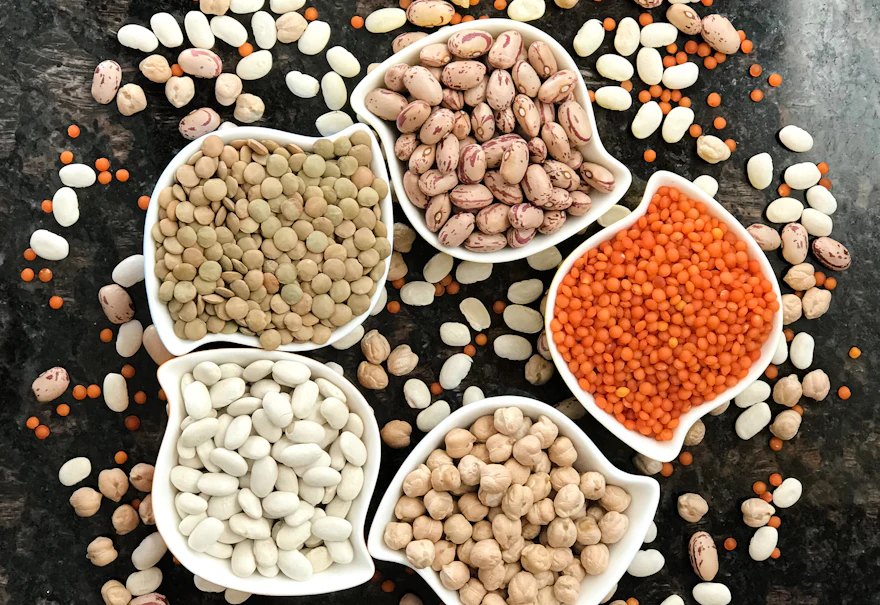
- Beans and lentils — chickpeas, black beans, kidney beans and lentils are versatile and filling.
- Soy foods — tofu, tempeh and edamame offer high-quality protein.
- Nuts and seeds — almonds, peanuts, chia, hemp and pumpkin seeds add protein and healthy fats.
- Whole grains — quinoa, oats and brown rice contribute protein along with fiber.
- Vegetables — peas, broccoli and spinach provide smaller amounts that add up.
Mix and match
Different plant foods contain different combinations of amino acids, the building blocks of protein. Eating a variety of plant proteins throughout the day helps your body get everything it needs.
Variety is the secret to plant-based eating — mix beans, grains, nuts and seeds across your meals.
Easy meal ideas
Try a lentil soup, a chickpea and vegetable curry, a tofu stir-fry, bean tacos or a quinoa salad with nuts and seeds. These dishes are filling, flavorful and simple to prepare.
Nutrients to watch
If you eat mostly or entirely plant-based, pay attention to B vitamins, iron, calcium, vitamin D and omega fatty acids. Fortified foods or supplements may be helpful.
Start small
You don't have to change everything at once. Swapping one or two meals a week for plant-based options is a great way to begin.
This article is for general education only. Please seek personalized advice before making major dietary changes or starting supplements.